
Diagnosis and Treatment of Different Types of Acne (Youth Acne)
Diagnosis and Treatment of Different Types of Acne (Youth Acne)
Category: Acne treatment
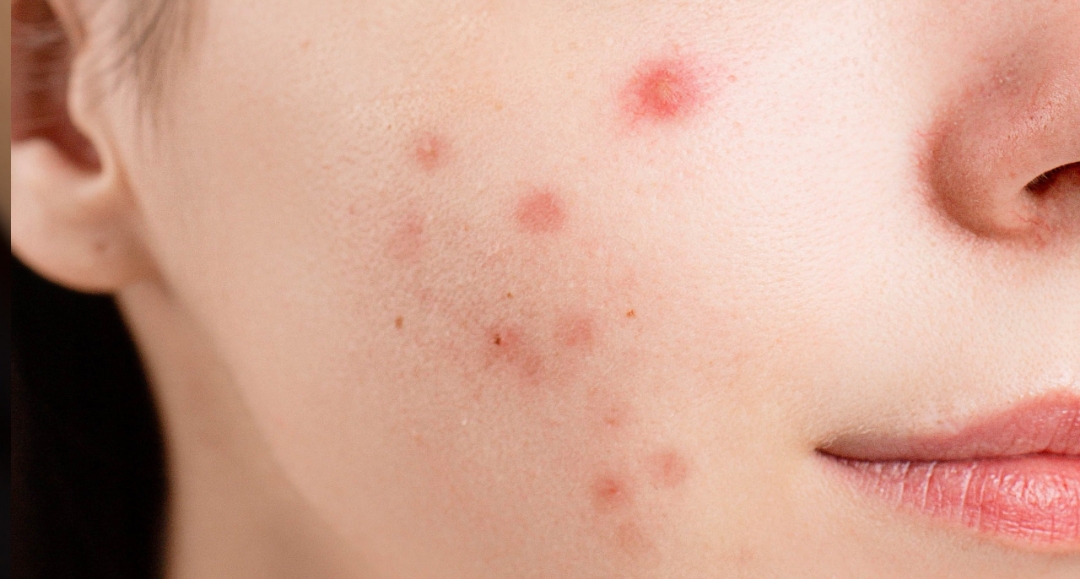
Acne treatment
|📅2 months ago
|
Diagnosis and Treatment of Different Types of Acne
Causes, Prevention, and Appropriate Medical Options
Acne is one of the most common dermatological conditions affecting adolescents and adults worldwide. It occurs when hair follicles become clogged with oil (sebum), dead skin cells, and bacteria, leading to inflammation.
Accurate diagnosis of acne type is essential for selecting the most effective treatment plan.
What Is Acne?
Acne is a chronic inflammatory disorder of the sebaceous glands. It most commonly affects the face, forehead, nose, chin, chest, and back. While it frequently begins during puberty due to hormonal changes, it can persist into adulthood.
Types of Acne
1. Open Comedones (Blackheads)
- Appear as small dark spots
- Open pores
- Non-inflammatory
The dark color is caused by oxidation of trapped oil when exposed to air.
2. Closed Comedones (Whiteheads)
- Small white or flesh-colored bumps
- Closed pore
- Minimal inflammation
3. Papules
- Red, tender bumps
- No visible pus
- Indicate active inflammation
4. Pustules
- Contain visible pus
- Inflamed and swollen
- Higher risk of post-inflammatory pigmentation
5. Nodules and Cystic Acne
- Deep, painful lesions
- Significant inflammation
- High risk of scarring
These severe forms require professional dermatological management.
Main Causes of Acne
- Increased sebum production
- Hormonal fluctuations
- Follicular blockage
- Bacterial overgrowth (Cutibacterium acnes)
- Genetic predisposition
- Use of unsuitable cosmetic products
- Environmental pollution
How to Prevent Acne
- Wash the face twice daily with a gentle cleanser
- Avoid excessive scrubbing
- Use non-comedogenic moisturizers
- Avoid squeezing lesions
- Maintain a balanced diet
- Use sunscreen regularly
Treatment Options
1. Topical Treatments
Used for mild to moderate acne:
- Retinoids
- Benzoyl peroxide
- Topical antibiotics
- Oil-regulating serums
These help reduce inflammation, unclog pores, and prevent new lesions.
2. Oral Medications
For moderate to severe acne:
- Oral antibiotics
- Hormonal therapy (in selected female patients)
- Isotretinoin (strictly under dermatologist supervision)
Self-medication is strongly discouraged due to potential side effects.
3. Clinical Procedures
- Professional extraction
- Chemical peels
- Laser therapy
- Microneedling for acne scars
When to See a Dermatologist
- Severe or painful acne
- Acne that does not respond to over-the-counter treatments
- Scarring or pigmentation
- Psychological distress related to acne
Early medical intervention reduces long-term complications.
SEO Keywords
Acne treatment
Types of acne
Youth acne
Cystic acne treatment
Best treatment for acne
Acne prevention
Dermatologist acne care
Acne scar treatment
If you would like, I can now optimize all three articles into structured blog format with meta descriptions and AI-search–friendly schema markup.