
ARVIN SKIN HOSPITAL · SKIN & HAIR HEALTH
In this article
- Best Dermatologist in Kabul: Scientific and Practical Points to Consider When Choosing a Skin Specialist
- Who Is a Dermatologist?
- Why Is Choosing a Good Dermatologist Important?
- Characteristics of the Best Dermatologist in Kabul
- 1. Real Expertise in Skin, Hair, and Nail Diseases
- 2. Accurate Diagnosis Before Starting Treatment
- 3. Experience With Common Skin Problems in Afghanistan
- 4. Use of Scientific and Updated Treatment Methods
- 5. Honesty About Treatment Results
- What Does a Good Dermatologist Do for Acne?
- Diagnoses the Type of Acne
- Evaluates Underlying Causes
- Prevents Acne Scars
- What Makes a Good Dermatologist for Facial Pigmentation and Melasma?
Best Dermatologist in Kabul: Scientific and Practical Points to Consider When Choosing a Skin Specialist
Choosing the best dermatologist in Kabul for the treatment of skin, hair, nail, and aesthetic concerns is an important medical decision. The skin is the largest organ of the human body, and if skin problems are not diagnosed and treated on time, they may lead to scars, facial pigmentation, hair loss, persistent itching, infection, psychological stress, and reduced self-confidence. Acne, facial pimples, acne scars, facial dark spots, melasma, hair loss, fungal skin infections, eczema, psoriasis, skin allergies, warts, moles, facial wrinkles, and fine lines are among the common conditions that require evaluation by a qualified dermatologist.
Many dermatology and aesthetic centers are active in Kabul, but the quality of diagnosis, treatment, and follow-up is not the same everywhere. A good dermatologist is not only someone who prescribes medication; a good skin specialist should identify the main cause of the problem, assess the patient’s skin type, evaluate the severity of the disease, choose the appropriate treatment, prevent possible complications, and give the patient realistic expectations.
Who Is a Dermatologist?
A dermatologist is a medical doctor who has specialized training in the diagnosis and treatment of diseases of the skin, hair, nails, and certain aesthetic concerns. A dermatologist can scientifically assess and treat conditions such as acne, eczema, psoriasis, hair loss, fungal skin infections, vitiligo, skin allergies, warts, facial pigmentation, suspicious moles, acne scars, and infectious skin diseases.
Sometimes skin problems look simple, but in some cases they may be a sign of an internal disease, hormonal disorder, nutritional deficiency, infection, allergy, or immune system problem. For this reason, consulting a dermatologist is very important for accurate diagnosis and safe treatment.
Why Is Choosing a Good Dermatologist Important?
Many patients use creams, medicines, or non-scientific remedies before visiting a dermatologist. Self-use of steroid creams, whitening creams, antibiotics, antifungal medicines, or unknown cosmetic products may worsen the skin problem.
For example, incorrect use of steroid creams may cause skin thinning, facial redness, steroid-induced acne, increased facial hair, skin sensitivity, and worsening of fungal infections. Similarly, unsafe whitening creams may cause severe pigmentation, skin thinning, burns, allergy, and recurrence or worsening of melasma.
A dermatologist can distinguish between acne, rosacea, skin allergy, fungal infection, eczema, and folliculitis through proper examination. Accurate diagnosis helps the patient receive the right medication or procedure and prevents unnecessary or harmful treatments.
Characteristics of the Best Dermatologist in Kabul
1. Real Expertise in Skin, Hair, and Nail Diseases
The most important factor in choosing a dermatologist is true medical expertise in dermatology. Patients should consult a doctor who has scientific knowledge of different skin diseases and does not look at every skin problem only as a cosmetic issue.
Some skin conditions may look simple at first, but they may actually be related to an internal disease, immune system disorder, infection, hormonal imbalance, or drug reaction. A good dermatologist should be able to differentiate these conditions correctly.
2. Accurate Diagnosis Before Starting Treatment
Treatment without accurate diagnosis is one of the main reasons for failure in skin diseases. Before prescribing medication, a good dermatologist should take the patient’s history, examine the skin type, ask about the duration of the problem, review previous treatments, and recommend laboratory tests when needed.
For example, hair loss may be caused by iron deficiency, vitamin D deficiency, thyroid problems, stress, childbirth, medications, hereditary factors, or autoimmune diseases. If the main cause is not identified, treatment may not give a complete result.
3. Experience With Common Skin Problems in Afghanistan
In Afghanistan, acne, facial pigmentation, melasma, fungal skin infections, leishmaniasis, scabies, eczema, hair loss, acne scars, and misuse of mixed creams are very common. A good dermatologist in Kabul should be familiar with the skin type of Afghan people, strong sunlight, dust, habits of cream use, and common skin problems in the community.
4. Use of Scientific and Updated Treatment Methods
A dermatologist should treat patients based on scientific principles, clinical experience, and the patient’s real condition. Acne may require topical medicines, antibiotics, hormonal treatment, or isotretinoin depending on severity. Acne scars may need subcision, fractional CO2 laser, microneedling RF, TCA CROSS, punch techniques, or a combination of different methods.
The choice of treatment should depend on the type of scar, skin color, patient age, previous treatments, general health status, and realistic expectations.
5. Honesty About Treatment Results
Unrealistic promises are common in skin and aesthetic services. A good dermatologist should clearly explain that some conditions need time, multiple sessions, and continuous care.
Acne scars usually do not disappear completely in one session. Melasma may come back. Hereditary hair loss often needs long-term treatment. Laser hair removal requires multiple sessions. Honesty in medical consultation builds trust and improves treatment outcomes.
What Does a Good Dermatologist Do for Acne?
Diagnoses the Type of Acne
Acne may be mild, moderate, or severe. Some patients have comedones, some have inflammatory pimples, some have nodules and cysts, and some have scars and pigmentation after acne. A dermatologist should identify the type and severity of acne before starting treatment.
Evaluates Underlying Causes
In women, acne may be associated with hormonal problems, polycystic ovary syndrome, irregular menstruation, increased unwanted hair, or obesity. In such cases, creams alone may not be enough, and further evaluation may be required.
Prevents Acne Scars
One of the most important goals of acne treatment is preventing permanent scars. The longer severe acne remains untreated, the higher the risk of scars, skin pits, and post-inflammatory pigmentation. A good dermatologist controls active acne first and then creates a separate plan for remaining scars and pigmentation.
What Makes a Good Dermatologist for Facial Pigmentation and Melasma?
Melasma and facial dark spots are common problems in Kabul, especially among women and people who are frequently exposed to sunlight. A good dermatologist should distinguish between melasma, sun spots, post-inflammatory pigmentation, freckles, dark marks after acne, and other pigmentary disorders.
Facial pigmentation cannot be treated only with a whitening cream. Proper sunscreen, sun protection, medical creams, chemical peeling, selected laser treatments, and continuous care may help some patients. However, inappropriate laser treatment or strong creams without medical supervision may worsen pigmentation.
What Does a Good Dermatologist Do for Hair Loss?
Hair loss has many different causes. The best dermatologist in Kabul should be able to differentiate hereditary hair loss, telogen effluvium, postpartum hair loss, nutritional hair loss, alopecia areata, hair loss caused by scalp diseases, and hair loss caused by medications.
Possible Tests for Hair Loss
In some patients, blood tests such as CBC, ferritin, vitamin D, TSH, zinc, or hormonal tests may be needed. However, not every patient needs all tests. The decision should be based on medical history and clinical examination.
Choosing the Right Treatment
Hair loss treatment may include minoxidil, oral medicines, PRP for hair, mesotherapy, correction of deficiencies, treatment of scalp inflammation, or hair transplant in suitable cases. A good dermatologist first identifies the cause of hair loss and then recommends the most appropriate treatment.
What Principles Should a Good Dermatologist Follow in Aesthetic Services?
Aesthetic services such as Botox, fillers, HIFU, laser, chemical peeling, PRP, microneedling, hydrafacial, and skin rejuvenation should be performed after proper medical assessment. Not every patient is a suitable candidate for every procedure.
Assessing Skin Type and Risk of Complications
In darker skin types, the risk of post-inflammatory pigmentation is higher. Therefore, laser treatments, peeling, and some procedures should be performed carefully and by an experienced doctor. Before any procedure, a good dermatologist evaluates skin type, history of pigmentation, history of keloid, current medications, pregnancy, breastfeeding, and underlying diseases.
Choosing the Right Method for Each Patient
For facial rejuvenation, one patient may need Botox, another may need filler, and another may benefit more from laser or HIFU. Choosing the wrong method may lead to poor results or complications. A good dermatologist makes decisions based on the patient’s real problem, not only on the patient’s immediate request.
When Should You Visit a Dermatologist?
You should visit a dermatologist if acne is severe, painful, or pus-filled; if scars or skin pits develop; if facial pigmentation is increasing; if hair loss is severe or sudden; if itching is persistent; if a skin wound does not heal; if a mole changes in color, size, or shape; or if previous treatments have not worked.
For aesthetic procedures such as Botox, fillers, laser, peeling, acne scar treatment, mole removal, and treatment of facial pigmentation, it is also better to have a specialist consultation before starting any procedure.
How to Choose the Best Dermatologist in Kabul
To choose a good dermatologist in Kabul, advertisements alone are not enough. Patients should consider the doctor’s specialization, experience, examination method, scientific explanation, honesty in promises, clinic facilities, hygiene standards, follow-up system, and patient satisfaction.
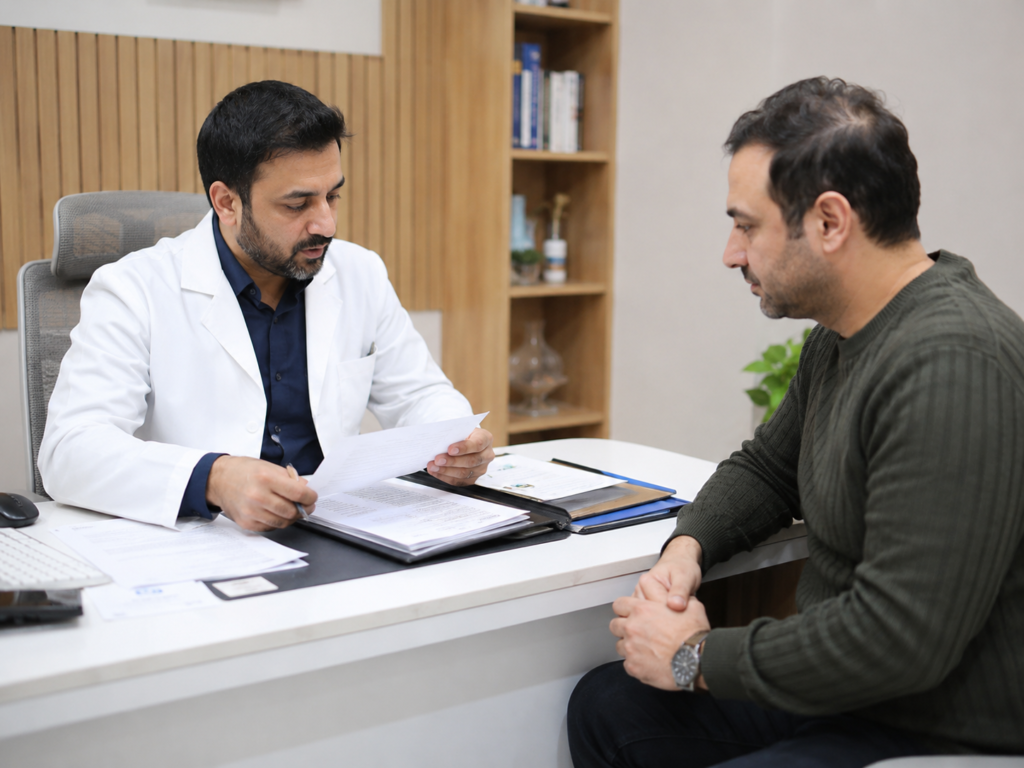
A good dermatologist should give enough time to the patient, explain the condition clearly, describe different treatment options, discuss possible side effects, and create a treatment plan that is practical and followable.
The Role of a Well-Equipped Dermatology Hospital in Treatment Results
Along with the doctor’s skill, the facilities of the medical center are also important. A well-equipped dermatology hospital should have a clean environment, sterile instruments, appropriate devices, trained staff, and a proper patient follow-up system. In treatments such as laser, subcision, fillers, Botox, hair transplant, and aesthetic procedures, medical standards and hygiene are extremely important.
Conclusion
The best dermatologist in Kabul is a doctor who evaluates skin, hair, and nail problems scientifically, makes an accurate diagnosis, chooses the right treatment, and informs the patient about possible complications, treatment duration, and realistic results. For conditions such as acne, acne scars, facial pigmentation, melasma, hair loss, fungal infections, eczema, psoriasis, warts, moles, and aesthetic procedures, consulting a dermatologist can prevent long-term complications and misuse of medications.
If you have a problem with your skin, hair, nails, acne, acne scars, facial pigmentation, or hair loss, it is better to avoid self-use of creams and medicines and consult a dermatologist first, so the main cause can be identified and proper treatment can begin.
Let’s talk about your skin
Contact our reception team to arrange a consultation or ask about our services.
This article provides general information and does not replace a medical consultation.