
ARVIN SKIN HOSPITAL · SKIN & HAIR HEALTH
In this article
Eczema (Dermatitis): Types, Triggers, and Treatment
Eczema, also known as dermatitis, is a common skin condition that causes itchy, inflamed, and irritated skin. It can affect people of all ages and may range from mild dryness to severe, persistent inflammation. This guide explains the types, triggers, and best treatment options for eczema.
What is Eczema?
Eczema is a condition in which the skin barrier becomes weak, leading to:
- Dryness
- Itching
- Redness
- Inflammation
It is not contagious but can significantly affect quality of life.
Common Symptoms of Eczema
- Dry and sensitive skin
- Intense itching
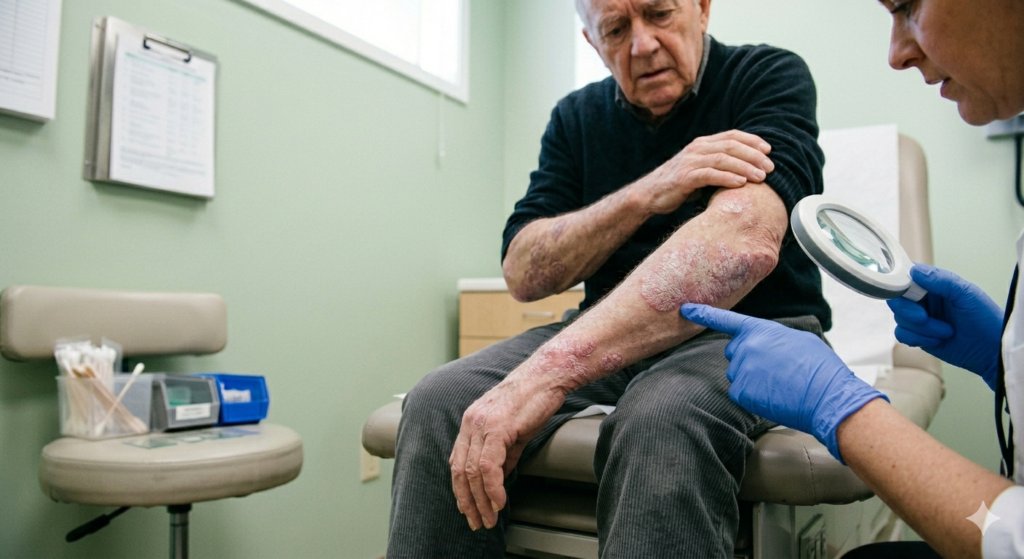
- Red or inflamed patches
- Cracked or scaly skin
- Oozing or crusting (in severe cases)
Symptoms often come and go in flare-ups.
Types of Eczema
1. Atopic Dermatitis (Most Common)
- Often begins in childhood
- Associated with allergies and asthma
- Causes chronic itchy skin
2. Contact Dermatitis
Occurs when the skin reacts to irritants or allergens.
Common Triggers:
- Soaps and detergents
- Perfumes
- Chemicals
- Jewelry and metals
3. Seborrheic Dermatitis
- Affects oily areas such as scalp and face
- Causes dandruff and flaky skin
4. Dyshidrotic Eczema
- Small itchy blisters on hands and feet
5. Nummular Eczema
- Coin-shaped itchy patches
Common Triggers of Eczema
- Dry weather
- Stress
- Harsh skincare products
- Allergens
- Sweating and heat
- Dust and pollution
Identifying triggers is important for long-term control.
Treatment Options
1. Moisturizers (Most Important)
Regular moisturization helps repair the skin barrier.
- Use fragrance-free creams
- Apply multiple times daily
2. Topical Corticosteroids
- Reduce inflammation and itching
- Used during flare-ups
⚠️ Should be used under medical guidance.
3. Antihistamines
May help reduce itching, especially at night.
4. Topical Calcineurin Inhibitors
Alternative treatments for sensitive areas such as the face.
5. Phototherapy
Controlled UV light treatment for moderate to severe eczema.
6. Oral or Injectable Medications
Used in severe cases that do not respond to topical therapy.
Daily Skincare Tips
- Use mild, fragrance-free cleansers
- Avoid hot water
- Moisturize immediately after bathing
- Wear soft cotton clothing
- Avoid scratching the skin
How to Prevent Flare-Ups
- Identify and avoid triggers
- Maintain consistent skincare
- Keep skin hydrated
- Manage stress levels
Common Mistakes
- Overusing steroid creams
- Using harsh soaps
- Ignoring moisturizers
- Scratching the skin excessively
Frequently Asked Questions (FAQ)
Is eczema contagious?
No, eczema cannot spread from person to person.
Can eczema be cured permanently?
There is no permanent cure, but it can be effectively controlled.
Does diet affect eczema?
Certain foods may trigger eczema in some individuals.
When to See a Dermatologist
Consult a specialist if:
- Symptoms are severe or persistent
- Over-the-counter treatments do not work
- Skin becomes infected
Conclusion
Eczema is a chronic skin condition that requires consistent care and trigger management. With the right treatment plan and skincare routine, most patients can effectively control symptoms and improve skin health.
Book a Consultation
If you are struggling with eczema or recurring skin irritation, a dermatologist can help identify triggers and create a personalized treatment plan for long-term relief.
Let’s talk about your skin
Contact our reception team to arrange a consultation or ask about our services.
This article provides general information and does not replace a medical consultation.